Covent Garden florist tips for Royal Opera House weddings
Posted on 21/09/2026
Planning flowers for a Royal Opera House wedding is a lovely kind of pressure. You want elegance, but not fuss. Drama, but the good kind. And if you're looking for Covent Garden florist tips for Royal Opera House weddings, the details matter more than people often expect. Venue scale, timing, delivery access, colour balance, and even how the flowers photograph in the soft theatre lighting can shape the whole feel of the day.
This guide breaks the process down in a practical way. You'll find advice on choosing flowers that suit the setting, working with a florist in Covent Garden, avoiding common mistakes, and deciding what's worth the investment. It's written for couples who want beautiful results without the stress spiral. Let's face it, weddings already come with enough moving parts.
Table of Contents
- Why Covent Garden florist tips for Royal Opera House weddings matters
- How Covent Garden florist tips for Royal Opera House weddings works
- Key benefits and practical advantages
- Who this is for and when it makes sense
- Step-by-step guidance
- Expert tips for better results
- Common mistakes to avoid
- Tools, resources and recommendations
- Law, compliance, standards, or best practice
- Options, methods, or comparison table
- Case study or real-world example
- Practical checklist
- Conclusion
- Frequently asked questions
Why Covent Garden florist tips for Royal Opera House weddings Matters
The Royal Opera House is not a standard wedding backdrop. It has presence, history, and a very specific visual language. That means flowers can't just be "nice." They need to work with architecture, scale, formal interiors, and the pace of the day itself. A bouquet that looks perfect in a bright studio can feel underpowered in a grand, ornate space. Equally, a large installation can overwhelm if the room already has strong visual features.
This is where local knowledge really helps. Covent Garden florists tend to understand central London logistics better than many out-of-area suppliers. They know that delivery windows can be tight, access can be awkward, and you may have only a short setup window before guests arrive. In a venue like the Royal Opera House, that kind of awareness is not a bonus. It's essential.
There's also the matter of style. Royal Opera House weddings often suit refined arrangements with structure, clean lines, and a considered colour palette. That does not mean boring. Far from it. It means choosing flowers that feel intentional. Think of the difference between a lovely bunch and a properly composed wedding design. One is charming. The other feels like it belongs in the room.
Key takeaway: flowers for this venue should be planned around scale, access, lighting, timing, and the building's own character. If those four things are in sync, everything else gets easier.
How Covent Garden florist tips for Royal Opera House weddings Works
In practice, the process usually starts with the venue requirements, then moves into style and logistics. A florist experienced in Covent Garden wedding work will usually ask about the ceremony space, the reception layout, timings, and any restrictions on setup or teardown. From there, they can recommend flowers and mechanics that suit the day rather than forcing a one-size-fits-all design.
The Royal Opera House setting calls for a careful balance. Wedding flowers need to look elegant in person, photograph well from several angles, and still feel stable and fresh over the course of the event. That means the florist is often thinking about more than appearance. Stem strength, hydration, heat sensitivity, transport, and install time all come into play. Bit technical, yes, but this is the stuff that saves you headaches later.
A good Covent Garden florist will also think locally. Where are the flowers being delivered from? How early can they be conditioned? Will the bridal bouquet need refrigeration? Can the team make a quick adjustment if the weather turns warm or the timeline shifts? These are the unglamorous questions. They are also the questions that protect the glamorous bits.
For couples, the process usually breaks down into three stages:
- Define the overall look and budget.
- Confirm venue rules, timing, and access.
- Build a floral plan that fits the space and the schedule.
That sounds simple enough. It isn't always simple in real life, but it is manageable with the right florist.
Key Benefits and Practical Advantages
Working with a Covent Garden florist for a Royal Opera House wedding has a few practical advantages that go beyond convenience. The first is local responsiveness. Central London florists often have shorter delivery routes and more experience dealing with city centre timing. That matters when you only get one narrow window to place arrangements before the next event begins.
Another benefit is design sensibility. Covent Garden is full of visual contrast: historic facades, theatre culture, elegant venues, and a lot of foot traffic. Florists working here tend to get good at creating flowers that feel polished without looking stiff. They know how to make a bouquet hold its own in a grand setting, and how to keep a table arrangement from feeling lost on a large surface.
There is also real value in having a florist who understands the mood of the area. Royal Opera House weddings often lean towards classic romance, understated luxury, or a slightly theatrical style. That doesn't mean you need a costume-drama bouquet with peonies and ribbon everywhere. It means the flowers can have presence. They can be memorable without shouting.
Practical advantages include:
- Better planning around central London delivery and access
- More suitable flower choices for grand interiors
- Cleaner coordination between bouquets, buttonholes, and table arrangements
- Fewer last-minute surprises on the day
- More confidence that the flowers will photograph well
If you're trying to decide whether a specialist wedding florist is worth it, ask yourself this: do you want flowers that simply arrive, or flowers that actually work in the room?
Who This Is For and When It Makes Sense
This approach is best for couples planning a wedding at the Royal Opera House or a nearby Covent Garden venue where presentation matters just as much as convenience. It makes sense if you care about the visual story of the day and want the flowers to feel connected to the setting rather than lifted from a catalogue and dropped in at the last minute.
It is especially useful for:
- Couples hosting a formal or black-tie celebration
- Wedding parties needing multiple floral elements, such as bouquets, buttonholes, and table designs
- Anyone with a tight schedule for same-day setup
- Brides and grooms who want a classic London look with polish
- Planners who need reliable central delivery coordination
It may be less necessary if you are having a very small, low-key ceremony with minimal flowers, or if your venue already provides most styling. Even then, a florist can still help with a bridal bouquet or a handful of key pieces. Truth be told, many couples start with "just a few flowers" and then realise the bouquet, buttonholes, and table details make a bigger difference than expected.
There's also a budget conversation here. If you are working with a tighter spend, it may be smarter to focus on one or two high-impact floral moments rather than trying to cover everything. A well-designed bouquet and a couple of focal arrangements can do more than a scattered set of small extras. No need to overcomplicate it.
Step-by-Step Guidance
Here is a practical way to plan your flowers without losing the plot halfway through.
1. Start with the venue layout
Before talking about roses or orchids, work out where flowers will actually be seen. Ceremony table? Entrance? Bridal prep room? Dining tables? A single central arrangement can sometimes matter more than four smaller ones. Venue-first thinking keeps your budget sensible.
2. Decide the mood
Do you want timeless and romantic, clean and modern, or a more theatrical London feel? The Royal Opera House suits all three in different ways, but the flower choices should be consistent. If the bouquet is soft and garden-style while the table pieces are sharp and sculptural, the look can feel disconnected. Not a disaster. Just a bit off.
3. Choose your hero flowers
Pick flowers that suit the season, the venue, and your tolerance for maintenance. Roses, lilies, orchids, lisianthus, and hydrangeas are all commonly used in formal wedding designs because they can look elegant and structured. Seasonal flowers can also add freshness and value, though they need to be chosen carefully for stability.
4. Match the colour palette to the space
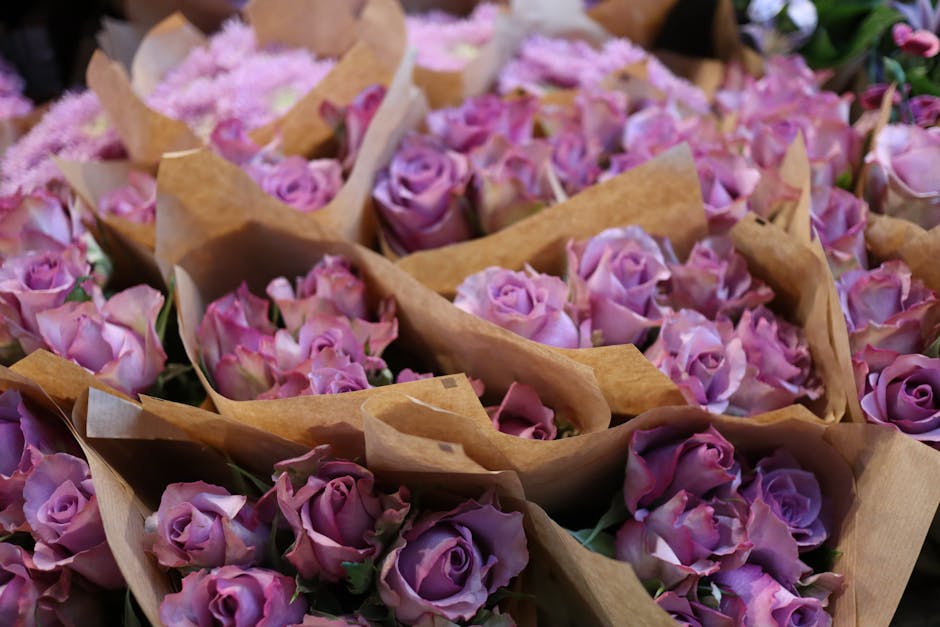
Neutral, white, blush, and soft green are often safe choices for elegant interiors. If you want more colour, use it with intention. Deep burgundy, purple, and rich red can feel dramatic and beautiful in the right room. Bright tones can work too, but they need a steady hand. Think accents, not confusion.
5. Confirm the delivery and setup plan
This is where local florist knowledge earns its keep. Confirm who receives the flowers, where the driver can access, and how long setup will take. Ask for bouquet hydration, vase handling instructions, and an emergency contact on the day. You do not want someone wandering around with a bridal bouquet looking mildly panicked.
6. Review the timings one more time
Wedding days shift. Hair runs over. Traffic gets grumpy. People go missing for five minutes. Build in a cushion. A florist who knows central London will usually expect this and plan accordingly, which is why communication matters so much.
Small note, but an important one: always ask what happens if the weather changes or the venue access window moves. It's the sort of question people forget until they need the answer.
Expert Tips for Better Results
In our experience, the best wedding flowers are not always the biggest or most expensive. They are the ones that feel calm, considered, and coherent. That usually comes down to a few smart choices.
Use fewer flower types if the venue is already visually busy
The Royal Opera House has plenty of visual texture. You do not need a bouquet with every flower under the sun. Two or three strong varieties often look more luxurious than a crowded mix. A rose-and-orchid design can feel cleaner than a dozen competing blooms.
Think in layers
There is the hand-held bouquet, the buttonhole, the ceremony focal point, and the table styling. Each one should relate to the others without becoming identical. That creates a more editorial look. A little rhythm goes a long way.
Prioritise shapes as much as colours
Round, cascading, compact, airy, architectural - these are design choices, not just style words. A compact bouquet can suit a formal dress beautifully, while a looser design works better with softer fabrics. Shape changes the feel more than people realise.
Ask about flower behaviour
Some flowers open quickly, some hold their shape better, and some can be fussy with heat. A good florist will tell you this plainly. If they don't, ask again. It may feel fussy, but it saves you from surprise wilting just before the photos.
Use the bouquet as a styling anchor
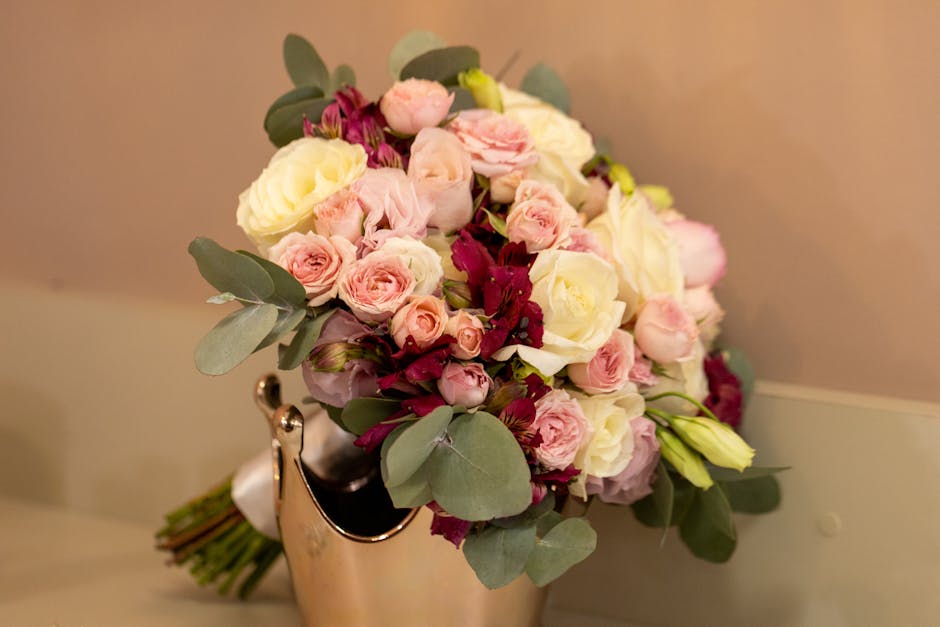
Your bridal bouquet can guide the rest of the flowers. If the bouquet has ivory and blush tones with a touch of green, the venue arrangements can echo that palette without copying it exactly. That creates cohesion without making everything look over-matched.
Remember photography
Flowers look different in daylight, indoor light, and flash photography. At a venue like the Royal Opera House, lighting can be very flattering, but it can also flatten pale flowers if the design lacks contrast. Slightly deeper greenery or a stronger focal bloom can help.
And yes, sometimes the tiny detail everyone forgot is the one that saves the photo. Typical weddings, really.
Common Mistakes to Avoid
Most wedding flower problems are avoidable. They happen when couples are rushed, over-influenced by Pinterest, or trying to fit too much into a single plan. Happens all the time.
Ignoring venue scale
A small arrangement can disappear in a large room. A huge arrangement can block sightlines. If the venue is grand, the flowers need presence. Not necessarily volume, but presence. There's a difference.
Choosing flowers without checking seasonality
Some blooms are more dependable at certain times of year. If you fall in love with a flower that is hard to source well, expect either higher cost or a more delicate result. A florist can suggest alternatives that keep the look without creating stress.
Forgetting setup logistics
Beautiful flowers that arrive without a clear access plan can become a headache. Who signs for them? Where do they go? Who places them? The best designs are useless if the logistics are messy.
Overcomplicating the palette
Too many colours can make a formal wedding feel busy. If you want bold colour, give it a proper role. One or two accents are usually enough. The room should feel composed, not like the flowers are having an argument.
Leaving bouquet details too late
The bridal bouquet is not an afterthought. It is one of the most photographed items in the day. Choose the size, shape, and texture early so the whole design can be built around it.
Not asking about substitutions
Sometimes a florist will need to adjust stems based on quality or supply. That is normal. What matters is whether the substitution stays true to your brief. Ask for a clear approach in advance so nobody is guessing on the day.
Tools, Resources and Recommendations
You do not need a complicated toolkit to plan wedding flowers well, but a few practical resources help enormously.
- A mood board: Keep it simple. Use a few images that show colour, shape, and texture rather than twenty random bouquets.
- A venue floor plan or rough sketch: Even a hand-drawn layout helps a florist understand where statement pieces matter most.
- Swatches or fabric notes: Dress fabric, tie colour, bridesmaid dresses, and table linen all affect how flowers read in the room.
- A short priority list: Decide what matters most: bouquet, ceremony flowers, tables, or buttonholes. It makes budgeting much easier.
- A timing sheet: Share the schedule for delivery, prep, ceremony, and photos. It saves everyone from the "where are we now?" moment.
If you want to explore wedding-specific floral options on the site, the dedicated wedding flowers in Covent Garden page is a useful starting point. For more specialised ceremony styling, the weddings collection and bridal bouquets can help you narrow the look you want.
For couples comparing refined bouquet styles, the Royal Essence bridal bouquet and White Wonders bridal bouquet are good examples of elegant, venue-friendly directions. If the reception includes table styling, the wedding table arrangements range is also worth a look.
Law, Compliance, Standards, or Best Practice
For a wedding at a venue like the Royal Opera House, the compliance side is mostly about venue rules, safe delivery, and professional handling rather than anything dramatic. Still, these things matter. Florists should follow normal UK business standards for clear pricing, reasonable substitutions, secure payment practices, and respectful handling of personal data. You should always know what is included, what is optional, and what changes may cost extra.
Best practice also includes checking whether the venue has restrictions on flame, water use, hanging installations, floor protection, or early access. Those rules are common in central London venues, especially heritage or performance spaces. They may not be complicated, but they do need respect. The same goes for waste removal and teardown. A tidy exit is part of a professional floral service, even if nobody posts about it on Instagram.
If you are ordering from a florist, make sure the order confirmation is clear, especially for wedding items that need to be correct the first time. Delivery instructions, contact details, product substitutions, and any special requests should be documented. That sounds obvious, but obvious things are the ones people skip when they are busy.
As for sustainability, many couples now ask about responsible sourcing, seasonal selection, and how the florist handles waste. If that matters to you, raise it early. It is much easier to plan an ethical flower choice from the start than to retrofit it later.
Options, Methods, or Comparison Table
Different floral approaches suit different wedding styles and budgets. Here's a simple comparison to help you choose.
| Option | Best for | Pros | Trade-offs |
|---|---|---|---|
| Bridal bouquet only | Small ceremonies or tight budgets | Focused, elegant, easy to manage | Less visual impact across the venue |
| Bouquet plus buttonholes | Classic, modestly styled weddings | Balanced, coordinated, good value | Limited decor presence for the room |
| Full floral styling | Formal Royal Opera House weddings | Strong visual cohesion, premium finish | Higher planning time and cost |
| Hero pieces with minimal extras | Design-led couples | Looks intentional, works well in grand spaces | Needs careful placement to avoid looking sparse |
For many couples, the sweet spot is not "everything" but "the right things." A well-chosen bouquet, a few buttonholes, and one or two statement arrangements can often carry the whole day. If the venue is already impressive, you do not need to fight it. Work with it.
Case Study or Real-World Example
Here's a realistic example. A couple planning a late-afternoon ceremony near Covent Garden wanted a refined look, mostly white with soft blush and a little greenery. The brief was simple: elegant, not stiff. They had a short delivery window, a busy schedule, and no appetite for overcomplication. Fair enough.
The florist built the plan around a hand-tied bridal bouquet, a few buttonholes, and compact table arrangements that would not block conversation. Instead of using too many flower types, the design focused on roses, lisianthus, and delicate accent stems. That kept the look cohesive and polished.
The most useful decision was not dramatic at all. It was agreeing early where the flowers would appear. The bouquet needed to read well in close-up photos. The table pieces needed to stay low and conversational. And the venue pieces needed to feel present without taking over. Once those priorities were clear, the rest fell into place.
By the time guests arrived, the room felt calm and complete. Not flashy. Just right. And honestly, that is often the goal with Royal Opera House weddings - a sense that the flowers belong to the space, not that they're trying to outshine it.
Practical Checklist
Use this checklist when briefing your florist:
- Confirm the venue name, access point, and setup window
- Share the ceremony and reception timing
- Define the main style: classic, romantic, modern, or theatrical
- Choose your priority pieces: bouquet, buttonholes, table flowers, venue styling
- Set a realistic budget range
- Share dress colours, linen colours, and any key design references
- Ask which flowers are seasonal and which may need substitution
- Confirm how the flowers will be delivered and who receives them
- Ask about hydration, vase handling, and bouquet care before photos
- Review the final order carefully before the wedding week
Quick reassurance: you do not need to know every flower name. A good florist can translate the look you want into the right stems and structure. That's the job, after all.
Conclusion
Royal Opera House weddings call for flowers that are elegant, well-timed, and thoughtful in scale. The best Covent Garden florist tips for Royal Opera House weddings are really about balance: matching the venue, keeping the logistics smooth, and choosing designs that look beautiful without trying too hard.
If you plan from the space backwards, keep your palette focused, and work with a florist who understands central London delivery realities, you give yourself a much better chance of a calm day and genuinely beautiful results. The details will matter. They always do. But they don't have to feel overwhelming.
In the end, the right flowers make the whole atmosphere feel more like your day, which is really what you want when you walk into a room like that.
Get a free quote today and see how much you can save.
Frequently Asked Questions
What flowers work best for a Royal Opera House wedding?
Roses, orchids, lisianthus, lilies, and hydrangeas are often strong choices because they can look refined and structured in a formal setting. Seasonal flowers can also work well if they suit the palette and hold up reliably. The key is choosing stems that feel elegant rather than crowded.
How far in advance should I book a Covent Garden florist for a wedding?
As early as you reasonably can. Popular wedding dates and premium venues get booked quickly, especially in central London. If you already know your venue and date, it makes sense to speak to a florist sooner rather than later so you can secure the style and timing you want.
Do I need a florist who specialises in weddings?
For a venue like the Royal Opera House, yes, ideally. Wedding floristry is not just about pretty arrangements. It involves timing, venue coordination, transport, and design consistency. A florist with wedding experience is more likely to anticipate the practical bits that can make or break the day.
How can I keep wedding flower costs under control?
Focus on the highest-impact pieces first. A bouquet, buttonholes, and one or two statement arrangements often do more than lots of small extras. You can also keep the palette simple and use seasonal flowers where appropriate. Simpler, done well, tends to look more luxurious than crowded and improvised.
What should I tell the florist before the consultation?
Bring your venue details, timing, a rough budget, dress colours, and a few images that show the mood you want. It also helps to know whether you prefer classic, modern, romantic, or more dramatic styling. A short, clear brief is usually more useful than a very long one.
Can flowers be delivered to the Royal Opera House on the wedding day?
Usually yes, but the exact timing and access will depend on venue arrangements. That is why it is so important to coordinate delivery windows carefully and confirm who will receive the flowers. Central London access can be tight, so the florist needs a clear plan.
What if a flower I want is out of season?
A good florist will suggest a look-alike alternative that keeps the overall style intact. Sometimes that means changing a stem type but keeping the same shape or colour feel. It is better to stay flexible than to force a difficult flower choice and risk the final result.
Should my bouquet match the venue flowers exactly?
Not exactly. It should relate to them, but it does not need to copy them. A cohesive wedding design usually has shared tones or textures rather than identical arrangements everywhere. That gives the day a more natural, considered feel.
How do I know if the florist understands the Royal Opera House setting?
Ask how they would approach scale, delivery access, and styling in a formal venue. If they talk confidently about timing, structure, and the relationship between flowers and architecture, that is a good sign. If they only discuss flower names and not how the day works, be a little cautious.
Can I use bold colours at a formal Covent Garden wedding?
Absolutely, if they are handled carefully. Deep reds, purples, and richer tones can look stunning in the right setting. The trick is to use them with intention, not scatter them everywhere. One strong accent can be enough to give the design personality.
What's the most common mistake couples make with wedding flowers?
The biggest mistake is underestimating logistics. People often spend ages choosing blooms and very little time confirming delivery, setup, or venue restrictions. The design matters, yes. But the delivery and placement plan matter just as much, if not more.
Is it better to choose flowers first or the colour scheme first?
Usually the mood and colour scheme come first, then the flowers are chosen to match. That keeps the design coherent. If you start with one favourite flower and build everything around it, the result can still work, but it needs a careful hand.
Do I need to worry about sustainability when ordering wedding flowers?
Only if it matters to you, and many couples do ask. If sustainability is important, speak to the florist early about seasonal flowers, sourcing, and waste handling. It is easier to make responsible choices when they are part of the plan from the start.